
Your next 200 families will not find you the way your last 200 did. The generation making funeral decisions right now — millennials, aged 30 to 45 — grew up booking flights on their phones, reading reviews before buying toothpaste, and expecting every business to meet them where they already are: online, transparent, and on their terms.
If you are acquiring a funeral home, this is the single most important demand-side shift you need to underwrite. Not cremation rates. Not consolidation. The fundamental change in who your client is, what they expect, and how they decide.
This guide breaks down what’s actually happening, what it means for the homes you’re evaluating, and how to build a transition plan that captures the next generation without alienating the current one.
The Client Base Is Turning Over — and Nobody’s Talking About It
Baby Boomers are dying at an accelerating rate. The oldest Boomers turned 80 in 2026. The youngest are 62. Over the next two decades, roughly 73 million Americans from this generation will need end-of-life services — and their children will be making the arrangements.
Those children are millennials. And their expectations for a funeral home look nothing like their parents’.
The NFDA 2025 Consumer Awareness and Preferences Study found that 40% of families discovered their funeral home through social media — up from 21% just two years earlier. That’s not a gradual shift. That’s a market moving at startup speed in an industry that moves at generational speed.
Here’s what else that survey found:
- 72% of respondents want to see pricing online before making contact
- 30% of families completed the entire arrangement process online or via digital tools
- 65% of respondents want personalized memorials that reflect the individual’s life, not a standardized service template
- 64% expressed interest in livestreaming services — not as a premium add-on, but as a baseline expectation
This is not a trend you can wait out. The median age of a funeral decision-maker has dropped a full generation in the last decade. Pew Research Center data confirms millennials are now the largest adult generation in the U.S. and are entering the peak years for losing parents. This is a 20-year runway of changing expectations.
The funeral homes that adapt will capture this demand. The ones that don’t will watch their case counts decline 3–5% annually while wondering what happened.
How Millennial Expectations Differ Across Every Touchpoint
This isn’t about one change in one area. It’s a coherent generational shift that touches discovery, arrangement, service design, and aftercare simultaneously. Understanding each dimension matters because it tells you exactly where a target funeral home is exposed — and what your post-acquisition investment needs to look like.

Discovery and First Contact
Millennials find funeral homes the same way they find everything else: online, through social proof, and with zero tolerance for friction.
- Social media first, Google second, phone book never. Facebook, Instagram, and increasingly TikTok are where families encounter funeral homes organically — through community posts, shared memorial photos, and recommendations. If a home has no social media presence, it functionally doesn’t exist for this demographic.
- The website is the front door. Millennials expect a site that works like booking a hotel or restaurant — clean, mobile-optimized, with clear service descriptions and pricing. A brochure-style site with stock photos of lilies and a “call for information” button is a dead end. See our breakdown of how families actually choose a funeral home for the full decision tree.
- If pricing isn’t online, they move on. This generation comparison-shops by default. They won’t call three funeral homes to ask for a General Price List. They’ll look at the two that post pricing and ignore the rest. Our guide to online pricing transparency covers the strategic logic in detail.
- Reviews outweigh reputation. A funeral home that’s “been in the community for 60 years” carries less weight than one with 87 five-star Google reviews and photos of real services. Word-of-mouth still matters, but it now travels through digital channels.
The Arrangement Conference
The arrangement conference has been the economic engine of the funeral home for generations. Millennials are changing its dynamics in ways that directly impact revenue per case.
- Skeptical of packages and bundles. This generation grew up with airline unbundling, streaming a la carte, and line-item receipts for everything. They don’t want the “Traditional Service Package” — they want to see every component and decide what they actually need. Read our deep dive on redesigning the arrangement conference for the operational implications.
- More likely to push back on merchandise. Casket upsells that worked for 30 years face a generation that checks prices on Amazon before buying anything. Direct-to-consumer casket retailers are one Google search away, and millennials know it.
- Customization over menus. They don’t want to pick Option A, B, or C. They want to build their own experience — the way they customize everything from meal kits to sneakers.
- Digital communication is the default. Email confirmations, text updates, shared planning documents, digital contracts. A millennial arranging a funeral while managing work, siblings in other states, and their own grief does not want to drive to your office for every decision.
Service Design
The service itself is where the generational divide is most visible — and where many traditional funeral homes are most exposed.
- “Celebration of life” is the default, not the alternative. For millennials, the question isn’t whether to have a celebration of life — it’s what form it takes. Traditional religious services remain important for some families, but the expectation has inverted. Our guide on pivoting to celebration-of-life models covers the operational shift.
- Eco-consciousness is real and growing. Interest in green burial, biodegradable urns, natural organic reduction, and carbon-neutral disposition is no longer niche. Millennials view environmental impact as a decision factor, not an afterthought. The Green Burial Council reports a 40% increase in certified providers since 2020.
- Livestreaming is expected infrastructure. 64% of millennial decision-makers expect livestreaming as a standard option. Charging $300–$500 for it as a premium add-on signals that your home is behind. The technology costs under $200 to implement well.
- Digital elements are woven into the service. Photo and video montages, Spotify playlists of the deceased’s favorite music, QR codes linking to digital memorial pages, interactive tribute walls. These aren’t gimmicks — they’re how this generation processes memory and grief.
Aftercare
Traditional funeral homes consider the relationship complete at the cemetery gate. Millennials expect it to continue.
- Ongoing follow-up, not a 30-day check-in call. Anniversary reminders, quarterly grief resources, community events. The homes that build robust aftercare programs see dramatically higher referral rates and preneed conversion.
- Openness to grief technology. Apps like Empathy and online grief communities resonate with a generation comfortable processing emotions through digital tools. They are notably more skeptical of AI-generated grief chatbots — they want real human support delivered through convenient digital channels.
- Digital estate coordination. “What do I do with all their online accounts?” is a question every millennial arranger asks. Funeral homes that offer guidance on social media memorialization, digital asset management, and account closure provide tangible post-service value.
- Practical alongside emotional. Millennials want grief support and logistical help — estate paperwork guidance, insurance claim resources, Social Security notification checklists. Bundling practical utility with emotional care is the aftercare model that earns loyalty.
The Operational Gap in Most Funeral Homes You’ll Evaluate
Now apply everything above to the funeral home sitting on the market. The average independently owned home was built — physically and operationally — for a client base that no longer exists in its original form.
This gap isn’t a reason not to buy. It’s a due diligence finding that belongs in your investment thesis and your offer price.
Facility Design
Most funeral homes present as formal, somber, dark-wood environments designed for traditional visitation and religious services. Millennials increasingly want light, flexible, informal spaces that can host a celebration of life one day and a traditional service the next. Heavy oak pews, dim lighting, and floral wallpaper signal a home that hasn’t evolved.
What to look for in diligence: Can the main chapel convert to a more flexible layout? Is there outdoor space? Are the common areas inviting for people who don’t want a traditional funeral atmosphere?
Technology Stack
According to Funeral Director Daily, a significant percentage of independent funeral homes still operate on paper-based systems, landline-dependent communication, and websites that haven’t been meaningfully updated in years. If the home you’re evaluating still relies on walk-in traffic, an answering service, and a fax machine for death certificates, the technology gap is substantial.
Assess: Is there a CRM or case management system? Online arrangement capability? Digital communication workflows? Automated review solicitation? If the answer to all four is no, budget accordingly.
Staffing Profile
Older funeral directors — many of whom are the reason the business works — may resist changes to the service model. This isn’t a criticism of their skill or dedication. It’s a recognition that asking a 60-year-old funeral director who’s conducted 3,000 traditional services to suddenly facilitate Spotify-soundtracked celebrations of life with QR-code memorial walls requires genuine change management.
Evaluate the staff’s willingness to adapt. The best transition outcomes come from homes where experienced directors mentor newer staff while embracing an expanded service model.
Marketing Presence
Pull up the funeral home’s website, Google Business Profile, and social media accounts during diligence. What you’ll typically find:
- A website last updated between 2016 and 2020 with stock photography and no pricing
- A Google Business Profile with fewer than 20 reviews
- A Facebook page with sporadic posts, mostly obituary shares
- No Instagram, no video content, no digital advertising
This is the digital marketing gap that will cost you cases from day one of ownership if you don’t address it.
What This Means for Your Acquisition
Every funeral home acquisition is a bet on future cash flow. A home that only serves the traditional market — and has no infrastructure to serve the millennial client — is a declining asset. Case counts will erode as the community’s decision-maker demographic shifts, and you’ll be investing in modernization reactively rather than proactively.
The question during diligence isn’t “what does this funeral home do today?” It’s “can this funeral home serve the client base of 2030?”
What to Evaluate
Score every acquisition target on these generational readiness indicators:
- Website quality: Mobile-optimized, fast, professional photography, clear service descriptions
- Online pricing: GPL posted, service packages with transparent pricing, online price comparison viability
- Online arrangement capability: Can families begin or complete arrangements digitally?
- Social media presence: Active accounts, engagement, community interaction, review volume
- Service flexibility: Celebration of life options, customization capability, eco-disposition offerings
- Technology infrastructure: CRM, digital communications, livestreaming capability, case management software
- Aftercare program: Structured follow-up, grief resources, digital estate guidance
Estimate the Modernization Cost
Closing the generational gap isn’t free, but it’s quantifiable:
- Website overhaul: $5,000–$15,000 for a professional, mobile-first site with online pricing and arrangement intake
- Online arrangement platform: $200–$500/month for tools like Passare, Osiris, or similar platforms
- Livestreaming equipment: $500–$2,000 one-time for quality multi-camera setup
- Digital marketing (ongoing): $1,000–$3,000/month for SEO, social media management, and review generation
- Facility updates: Varies widely — $10,000 for cosmetic refreshes to $100,000+ for layout reconfiguration
- Staff training: $2,000–$5,000 annually for service model expansion and technology adoption
Total first-year modernization for a typical traditional home: $30,000–$80,000, depending on starting point.
Factor It Into Your Offer
These are not optional investments. They are the cost of maintaining — not growing — case volume over the next decade. Deduct estimated modernization costs from your offer price the same way you’d deduct deferred maintenance on the building.
For buyers structuring acquisition financing that needs to account for post-closing modernization capital, lenders like Lendesca can help build these transition costs into the loan structure so you’re not funding the overhaul out of operating cash flow during your most vulnerable first year.
The Funeral Homes Getting This Right
You don’t need to guess what the future looks like. Some operators are already there. Here are the patterns working in the field — not specific homes, but operational models you can replicate.
The Hybrid Model
The most successful adaptation isn’t choosing between traditional and modern. It’s offering both fluently.
These homes maintain full traditional service capability — formal visitation, religious services, hearse processions — while simultaneously offering celebration-of-life packages, eco-disposition options, and fully digital arrangement pathways. The same facility hosts a Catholic funeral mass on Tuesday and a brewery-themed celebration of life on Saturday.
The key insight: they don’t make families choose a “track.” They listen to what the family wants and deliver it without judgment or friction. The service menu is broad enough that a 78-year-old widow planning her husband’s traditional service and a 38-year-old daughter planning her father’s casual memorial both feel like the home was built for them.
Digital-First Intake With Human Follow-Up
The Good Grief 2026 deathcare trends report highlights a pattern among high-growth independent homes: they let families start the process online but transition to human contact early and naturally.
A family fills out an online intake form at 11 p.m. the night their father dies. By 8 a.m., a funeral director calls — not to sell, but to listen. The family has already provided basic information digitally, so the call focuses on what matters: understanding the person who died and what the family needs.
This model converts at higher rates than either fully digital or fully traditional approaches because it meets the family where they start (online, at odd hours, on their own terms) and provides what they ultimately need (a compassionate human who knows what to do next).
Flexible Spaces
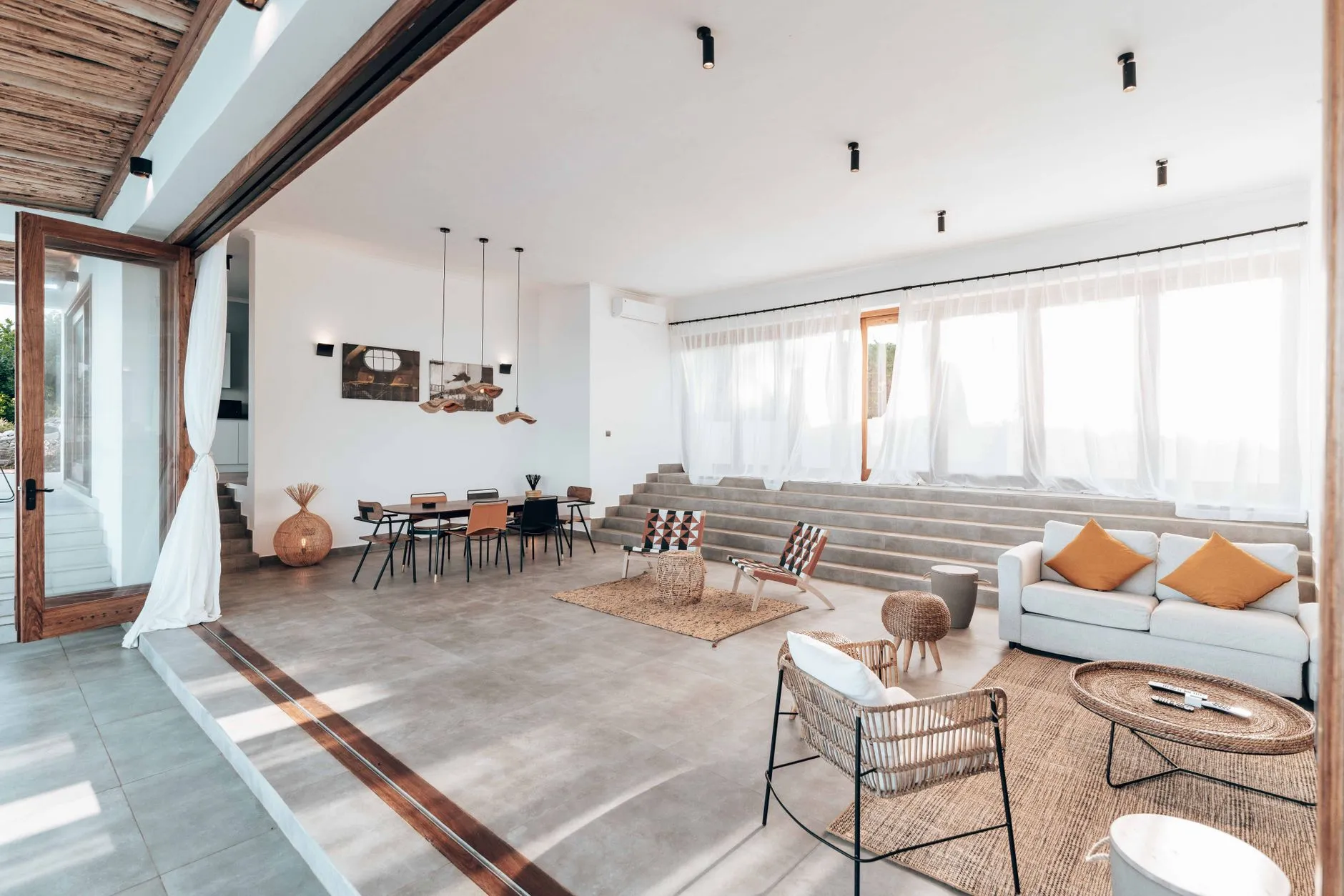
Funeral homes that are winning the generational transition have invested in physical flexibility. Modular furniture replaces fixed pews. Lighting systems shift from formal to warm. Outdoor spaces are maintained for services. A reception area doubles as a gathering space with a coffee bar, not just a hallway with folding chairs.
The capital investment is often modest — $15,000–$40,000 can transform a chapel from single-purpose to multi-purpose. The return shows up in service diversity and client satisfaction scores.
Aftercare as a Growth Engine
Forward-looking homes have built structured aftercare programs that include:
- Anniversary-of-death outreach (card, call, or email)
- Quarterly grief support group invitations
- Digital estate guidance documents provided at 30 and 90 days
- Annual community memorial events (butterfly releases, luminary ceremonies)
- Preneed information shared at the 6-month mark, when families are thinking about their own planning
These programs cost $5,000–$10,000 annually to run and consistently generate 15–25% of new preneed cases through family referrals and re-engagement.
Building a Transition Plan for the First Year
You’ve closed the deal. The funeral home is yours. Don’t overhaul everything at once. The families currently being served still expect what they’ve always received. Your job is to expand the experience, not replace it.
Here’s a phased approach that prioritizes high-impact, low-cost changes first.
Months 1–3: Digital Foundation
This is the work that starts generating returns immediately with minimal disruption to operations.
- Launch a new website with mobile optimization, professional photography, online pricing, and an intake form. This is your single highest-ROI investment.
- Claim and optimize your Google Business Profile. Complete every field. Add photos weekly. Respond to every review.
- Implement a review generation system. Ask every family to leave a Google review at 14 days post-service. Use an automated email or text sequence. Target 5+ new reviews per month.
- Establish active social media accounts. Facebook and Instagram minimum. Post 3–4 times per week — service highlights (with permission), community involvement, staff introductions, grief resources.
- Audit your phone and email responsiveness. If calls go to an answering machine after hours, fix that immediately. If email inquiries take 48 hours to return, fix that today.
Months 4–6: Service Infrastructure
Now build the systems that enable the modern service experience.
- Deploy an online arrangement platform. Tools like Passare, Osiris, or FuneralOne allow families to begin arrangements remotely and complete documentation digitally.
- Install livestreaming capability. A quality camera, encoder, and streaming platform. Train all directors on setup and operation.
- Build digital communication workflows. Email templates for arrangement confirmation, service details, aftercare touchpoints. Text communication opt-in for families who prefer it.
- Begin staff training. Bring in a consultant or use industry programs (NFDA, state association) to train directors on celebration-of-life facilitation, digital tools, and consultative arrangement approaches.
Months 7–12: Service Expansion
With the foundation set, expand your service offerings to capture the full spectrum of demand.
- Add celebration-of-life packages to your service menu with clear descriptions and pricing. Train staff to facilitate non-traditional services confidently.
- Introduce eco-disposition options. Partner with a green cemetery or natural burial ground. Source biodegradable urns and caskets. Market these options to environmentally conscious families.
- Launch a structured aftercare program. Build the calendar of touchpoints, create the resource materials, assign staff ownership.
- Conduct a facility assessment. Based on your first year of observing service trends, determine what physical changes — if any — will have the highest return. Budget for Year 2 improvements.
- Evaluate your first year’s data. Compare case volume, revenue per case, online inquiry rates, review counts, and service mix to your baseline. Adjust the Year 2 plan based on what the numbers show.
The Goal
Be generationally fluent within year one. Not generationally perfect — fluent. You should be able to serve a traditional family and a modern family with equal confidence and quality by month 12. The refinement continues in Year 2 and beyond, but the foundation has to be in place before the market shifts further.
The Bottom Line
The funeral homes that thrive over the next 20 years will be the ones that recognized this generational handoff for what it is: not a trend, not a disruption, but a permanent shift in who the client is and what they expect.
As a buyer, this gives you both a risk and an opportunity. The risk is acquiring a home that can’t adapt — one where the building, the staff, the technology, and the culture are locked into a model that serves a shrinking client base. The opportunity is acquiring that same home at a fair price, investing strategically in modernization, and capturing demand that competitors are leaving on the table.
The families are already changing. The question is whether the funeral home you buy will change with them.
Funeral Home Buyer provides educational content for professionals evaluating business acquisitions in the funeral services industry. This article is not legal, financial, or investment advice. Consult qualified professionals before making acquisition decisions.