
The Generational Handoff Is Already Here
Baby Boomers are dying at a rate of roughly 10,000 per day. Their children — millennials, born between 1981 and 1996 — are the ones walking into arrangement conferences, signing contracts, and writing checks. This isn’t a demographic projection. It’s already happening.
The stereotypical funeral home customer used to be a Boomer-era widow who deferred to the funeral director’s recommendations, selected a traditional package, and wrote a check without questioning the itemization. That customer still exists, but she’s being outnumbered by a millennial daughter who researched five funeral homes on her phone before she called any of them.
For anyone evaluating a funeral home acquisition, this shift isn’t background noise. It’s the single most important variable in whether the business you’re buying has a growing or shrinking addressable market.
How Millennial Arrangers Behave Differently
The data is unambiguous. 85% of millennials research funeral homes online before making a phone call. They don’t start with the Yellow Pages or a pastor’s recommendation. They start with Google, and they judge what they find fast.
Here’s how their behavior diverges from prior generations:
- Price transparency is non-negotiable. Millennials expect itemized, accessible pricing. Many won’t call a funeral home that doesn’t show at least directional pricing on its website. If your target acquisition hides the GPL behind a “call for details” button, it’s losing arrangements to the competitor down the road who posts numbers. A strong GPL pricing strategy is no longer optional — it’s table stakes.
- Communication preferences have flipped. Text and email beat phone calls. Online inquiry forms beat walk-ins. Millennials will schedule an arrangement conference through an online portal at 11 PM before they’ll call during business hours. Funeral homes that are phone-only are creating friction that costs them business.
- Decision-making is collaborative and research-heavy. Millennial arrangers are more likely to involve siblings, partners, and extended family in the decision. They comparison-shop. They read Google reviews. They screenshot price lists and share them in group texts. The days of one person walking in, sitting down, and signing within an hour are fading.
- The emotional framework has shifted. The death-positive movement has made millennials more comfortable discussing death and more willing to question traditional practices. They don’t assume embalming is required. They ask why a casket costs what it costs. They push back on packages and want to build custom arrangements.
None of this means millennials are cheap or disrespectful. They spend — often generously — when they feel informed and in control. But they won’t spend blindly.
What “Good Operations” Looks Like Now
A funeral home with no website, no Google reviews, and no price transparency is invisible to the generation now making arrangement decisions. It doesn’t matter how beautiful the chapel is or how experienced the staff is. If millennial arrangers can’t find you and evaluate you online, you don’t exist to them.
Here’s the minimum operational bar for serving millennial arrangers:
- Mobile-responsive website with pricing information. Not a desktop site that sort of works on a phone. A site that loads fast, reads clean, and includes at least service package pricing. Read our digital marketing playbook for funeral homes for what this looks like in practice.
- Active Google Business Profile with recent reviews. “Recent” means within the last three months. A profile with twelve 5-star reviews from 2019 reads as abandoned. Millennials check review recency, not just rating.
- Online arrangement inquiry or pre-planning tools. Even a basic contact form that doesn’t require a phone call. Better: a pre-planning questionnaire or arrangement scheduling tool.
- Text and email communication capability. Staff who can respond to a text within a business day. An email address that someone actually monitors. This sounds basic because it is — and a shocking number of funeral homes still can’t do it.
- Flexible service options. Direct cremation. Celebration of life. Hybrid services with a traditional element and a personalized reception. If your only offering is a full traditional funeral, you’re serving a shrinking slice of the market. The celebration of life service model is where growth is happening.
This isn’t about chasing trends or installing a TikTok studio in your prep room. It’s about being findable and functional for the people who are now making the calls.
The Due Diligence Implications
When you’re evaluating an acquisition target, millennial readiness should be an explicit line item in your assessment. Run through this checklist:
- Does the website exist and function on mobile? Load it on your phone. If it’s a GoDaddy template from 2014 with no mobile optimization, that’s a post-acquisition expense you need to budget.
- Are prices accessible online? They don’t need full FTC-compliant GPL formatting on the homepage. But if there’s zero pricing information — not even a range — millennial arrangers are bouncing. Explore your options for online pricing transparency as part of your post-close plan.
- What does the Google review profile look like? Count the reviews. Check the average. Read the negative ones. A funeral home with 8 reviews and a 3.6 average has a reputation problem that costs real money to fix.
- Can staff communicate via text and email? Ask the seller. Better yet, test it yourself. Send an inquiry through the website and see what happens. Call and ask if you can get information via email. If everything routes to a phone call, that’s an operational gap.
- What percentage of arrangements are non-traditional? Ask for the service mix breakdown. If 95% of arrangements are traditional full-service funerals, either the market genuinely demands that (possible in some demographics) or the funeral home is failing to capture the growing non-traditional segment.
- What does the technology stack look like? Arrangement software, CRM, website platform, communication tools. A thorough technology due diligence review tells you how much you’ll spend modernizing after close.
A funeral home that scores poorly on this checklist isn’t necessarily a bad acquisition. It might be a great one — if you’re buying it at a price that reflects the investment needed to bring it into the current decade. The danger is paying a premium for a business that’s operationally stuck in 2005.
The Service Mix Shift
Millennials aren’t just buying funeral services differently — they’re buying different funeral services.
The trends are clear and accelerating:
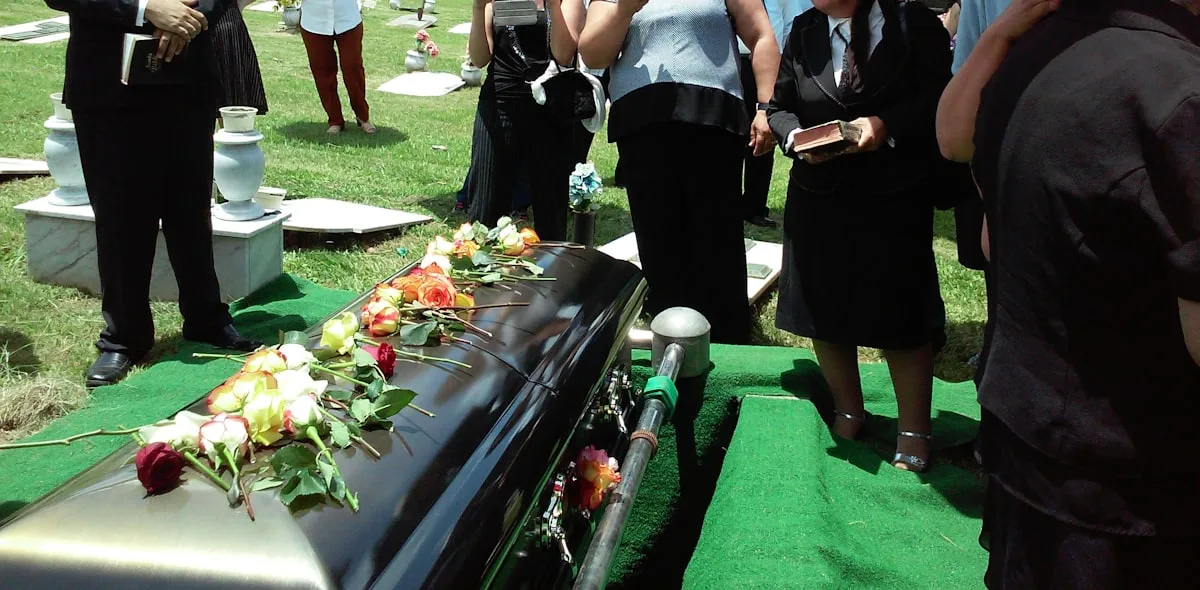
- Celebrations of life are overtaking traditional funerals in many markets. These events are less scripted, more personalized, and often held in non-traditional venues. Funeral homes that can accommodate flexible formats — or coordinate off-site events — capture this revenue. Those that can’t, lose it.
- Direct cremation with a separate memorial event is a growing segment. The family handles disposition quickly and affordably, then plans a memorial on their own timeline. Funeral homes that offer packages bridging both elements — cremation plus memorial planning support — find the margin that pure direct cremation doesn’t provide.
- Personalization drives spending. Millennials may spend less on a casket than their parents would have, but they’ll spend on custom urns, keepsake jewelry, video tributes, themed decorations, and catered receptions. The revenue hasn’t disappeared — it’s moved to different line items.
- Merchandise preferences are shifting. Less spending on high-margin traditional caskets. More spending on cremation urns, memorial keepsakes, and experience elements. A funeral home that depends on casket sales for its margin structure is watching that foundation erode.
Interestingly, Gen Z may reverse some cremation trends, showing renewed interest in burial. But the expectation of transparency, personalization, and digital-first engagement isn’t going backward regardless of disposition method.
The funeral home that can only execute a traditional service in a traditional chapel is leaving revenue on the table today and will leave more tomorrow. Flexibility and customization aren’t nice-to-haves. They’re the competitive moat for the next 20 years.
What This Means for Your Acquisition Decision
The core principle is simple: don’t buy a funeral home that can only serve the generation that’s dying. Buy one that can serve the generation that’s arranging.
That doesn’t mean you should only pursue funeral homes that already have perfect digital infrastructure and a modern service mix. Some of the best acquisition opportunities are funeral homes with strong community reputations, solid call volumes, and loyal staff — but outdated technology and rigid service offerings. You’re buying the foundation and modernizing the delivery.
But you need to budget for it. Factor digital readiness into your post-acquisition CapEx plan:
- Website redesign and SEO: $5,000–$15,000 for a professional site with pricing, mobile optimization, and local search strategy.
- Google review generation system: Staff training and process implementation. Minimal cost, significant impact.
- Communication infrastructure: Text-enabled business lines, email response protocols, online scheduling. $100–$300/month for the tools.
- Service offering expansion: Staff training for celebrations of life, direct cremation coordination, and personalized events. This is operational, not capital — but it takes 6–12 months to shift a team’s capabilities.
The funeral homes that are recruiting millennials into the profession itself are the ones building teams that intuitively understand what millennial arrangers expect. If the staff skews younger and tech-comfortable, that’s an asset worth noting during due diligence.
Here’s the quiet advantage you have as a new owner: if you’re a millennial or Gen X buyer, you probably understand digital expectations better than the 70-year-old seller does. You know what a good mobile experience feels like. You know why transparent pricing builds trust. You know that responding to a text within an hour matters.
That instinct is worth more than the seller realizes. The funeral homes that win with millennial arrangers over the next decade aren’t doing anything revolutionary. They’re doing the basics well, being findable online, and treating their customers like informed adults who deserve straight answers about pricing and options.
The bar is still low enough that doing the basics puts you ahead of most of the market. It won’t stay that way forever.
This guide is part of the Funeral Home Buyer resource library — acquisition intelligence for serious buyers, from due diligence through operations.
Funeral Home Buyer provides educational content for professionals evaluating business acquisitions in the funeral services industry. This article is not legal, financial, or investment advice. Consult qualified professionals before making acquisition decisions.